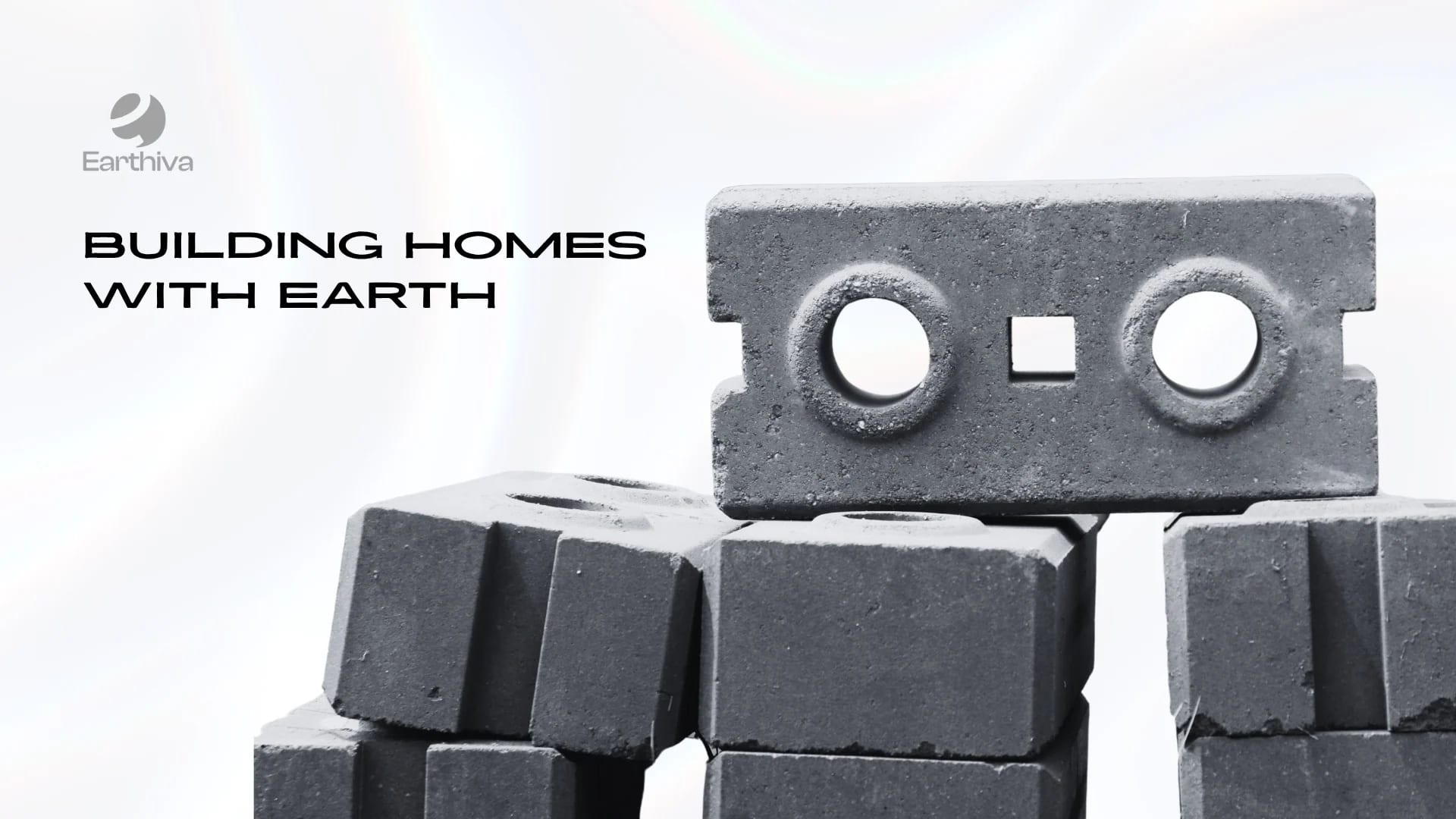
Compressed Stabilised Earth Blocks · Bengaluru
Unfired. Uncompromising. Unforgettably strong.
A smarter, greener alternative to fired clay bricks and concrete masonry. No kilns. No coal. Just high-strength, earth-based masonry for modern India.
- > 7 MPaCompressive strength
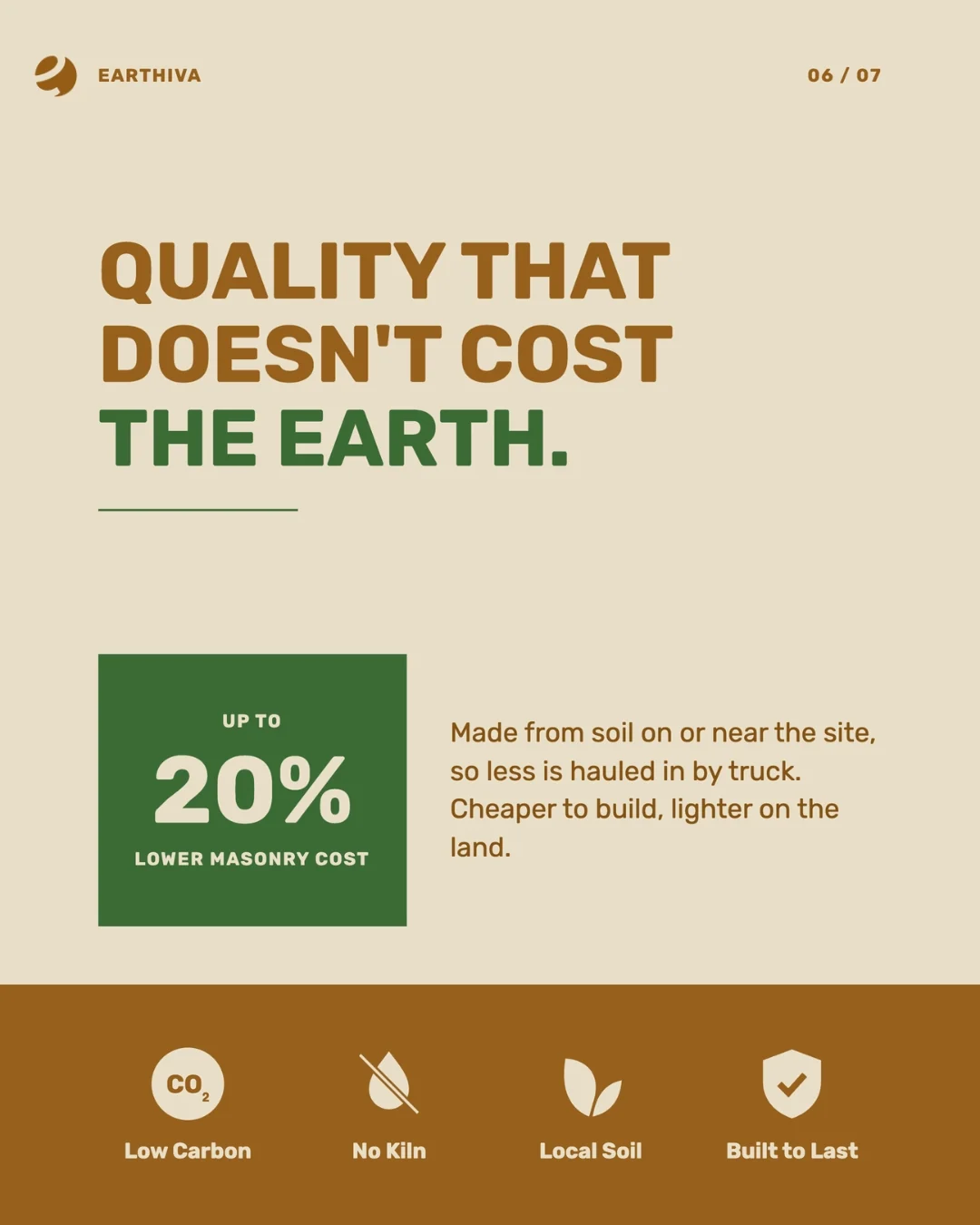
- 90% lessEmbodied energy vs fired brick
- ±1 mmDimensional tolerance
- 2,000/dayPress capacity
People have built with earth for twelve thousand years. What changed is not the material but the machine that shapes it, and what leaves our press in Bengaluru is the same ground, held to a millimetre.
Our own film. It begins with the first houses raised from the ground they stood on, and ends on the factory floor in Bengaluru, where that same soil is graded, dosed and pressed into the blocks on this page.
Keep scrolling - you're operating the press
An animated cutaway of the block press: graded soil, then 5–8% cement, then water are dosed into the mould, compressed under hydraulic force, and ejected to cure for 28 days.
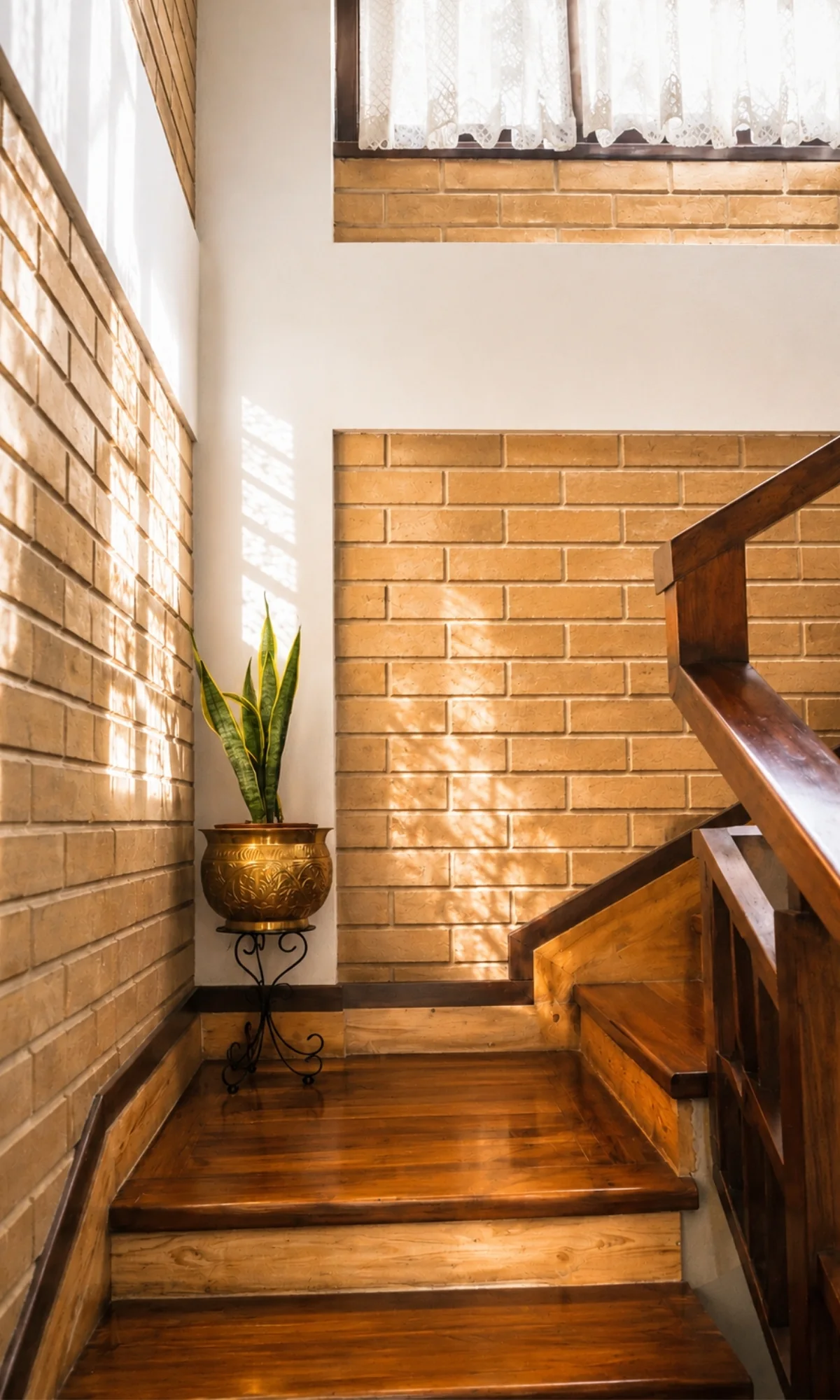
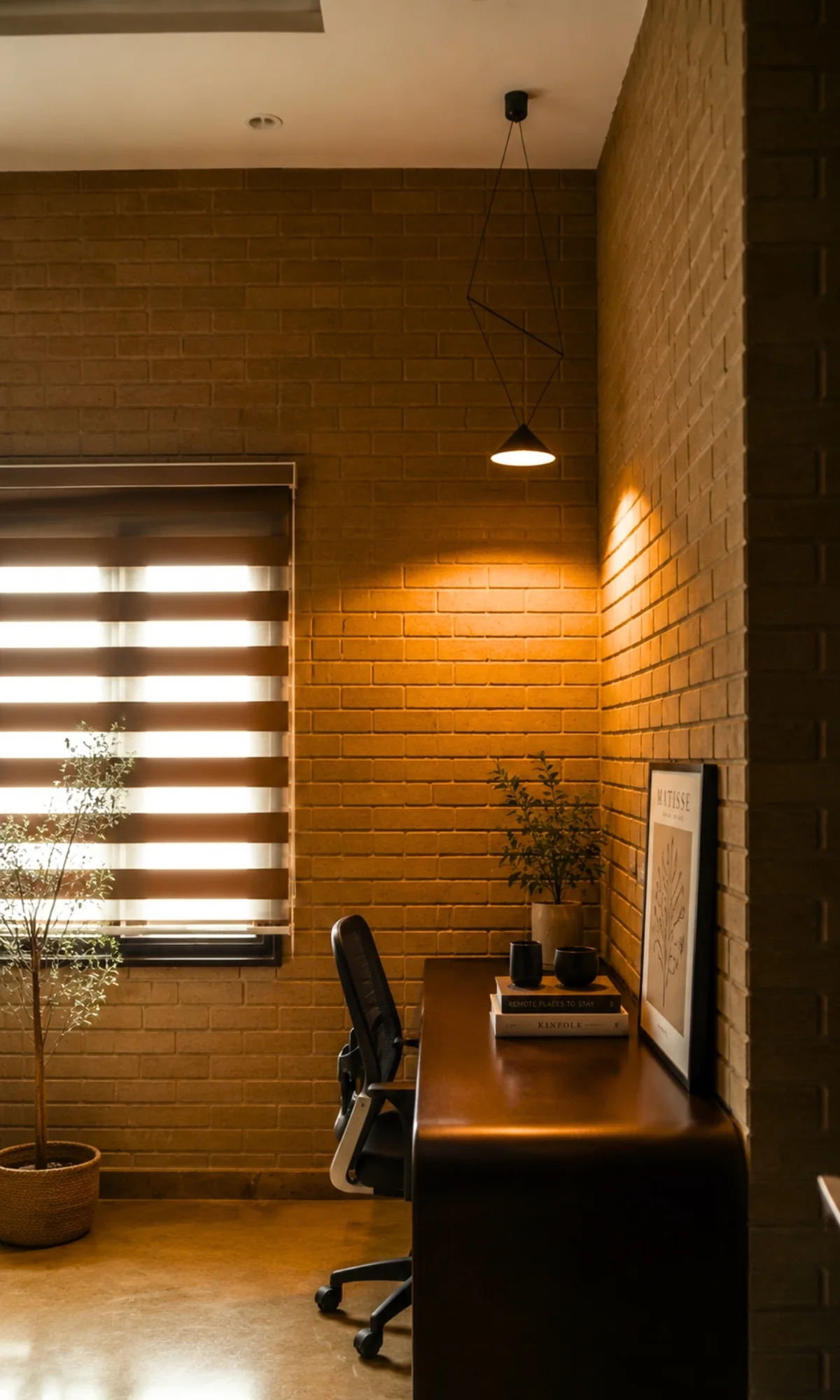
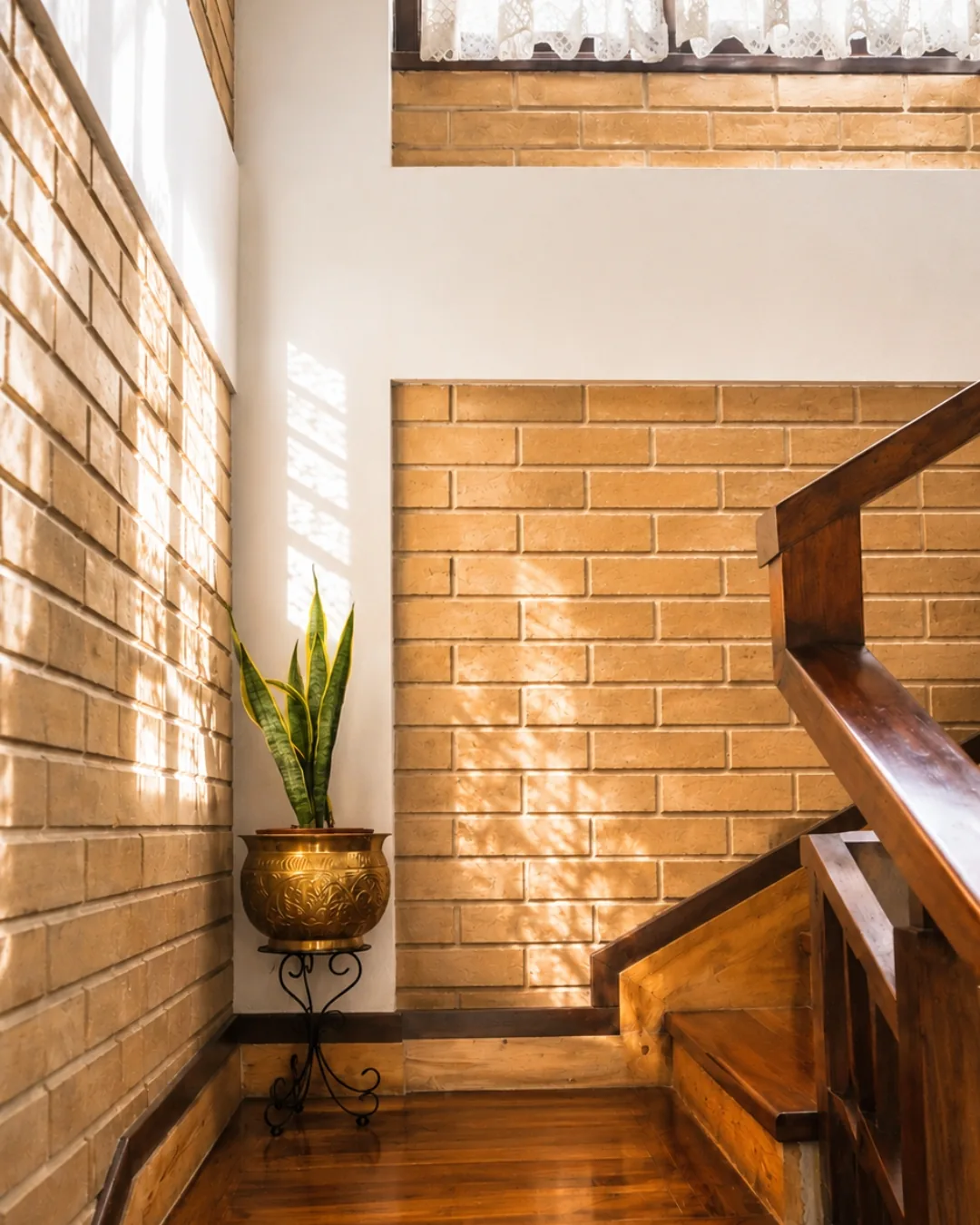
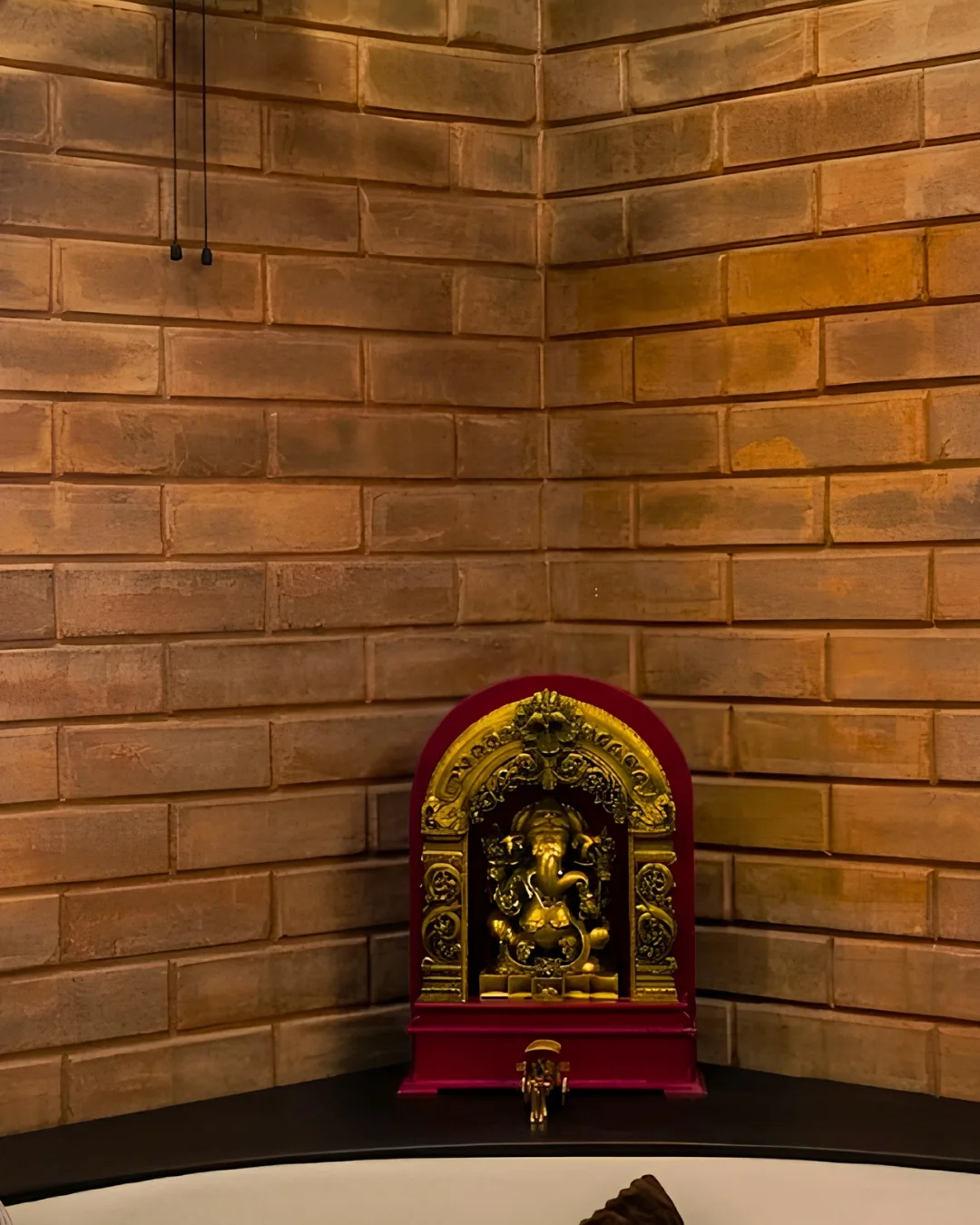
A material you can leave exposed
Surface & finish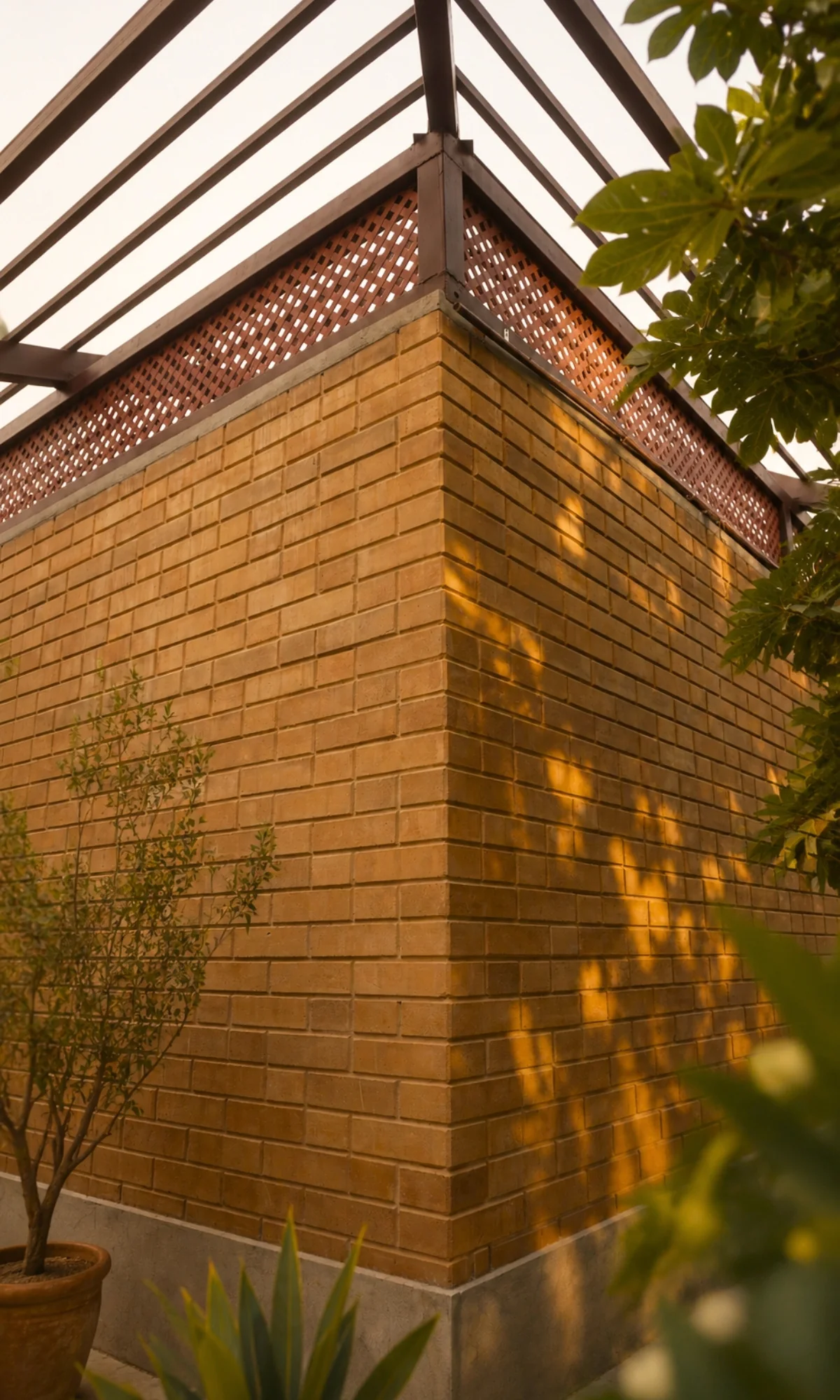
How it compares to fired brick
The numbers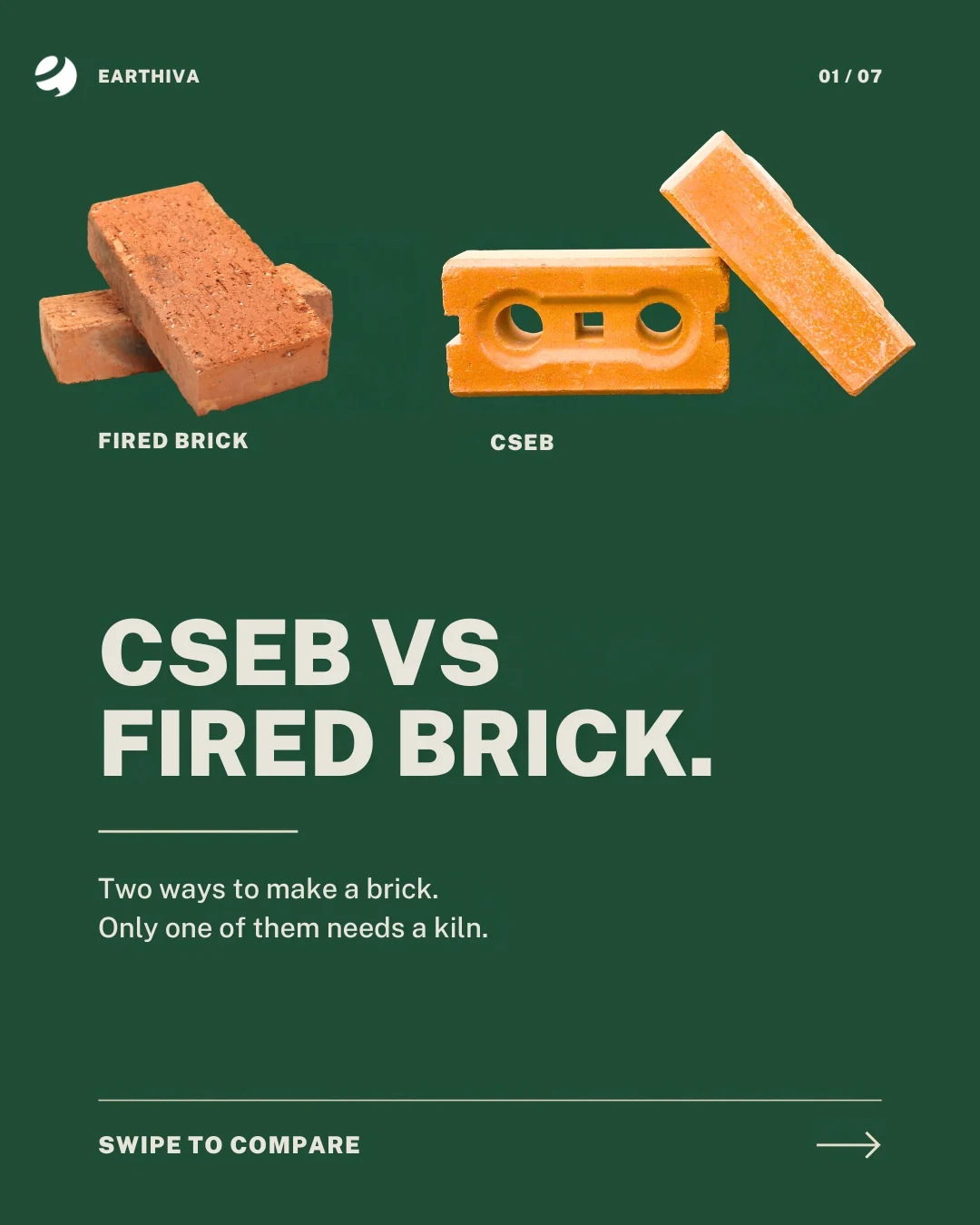
| Property | Earthiva CSEB | Fired clay |
|---|---|---|
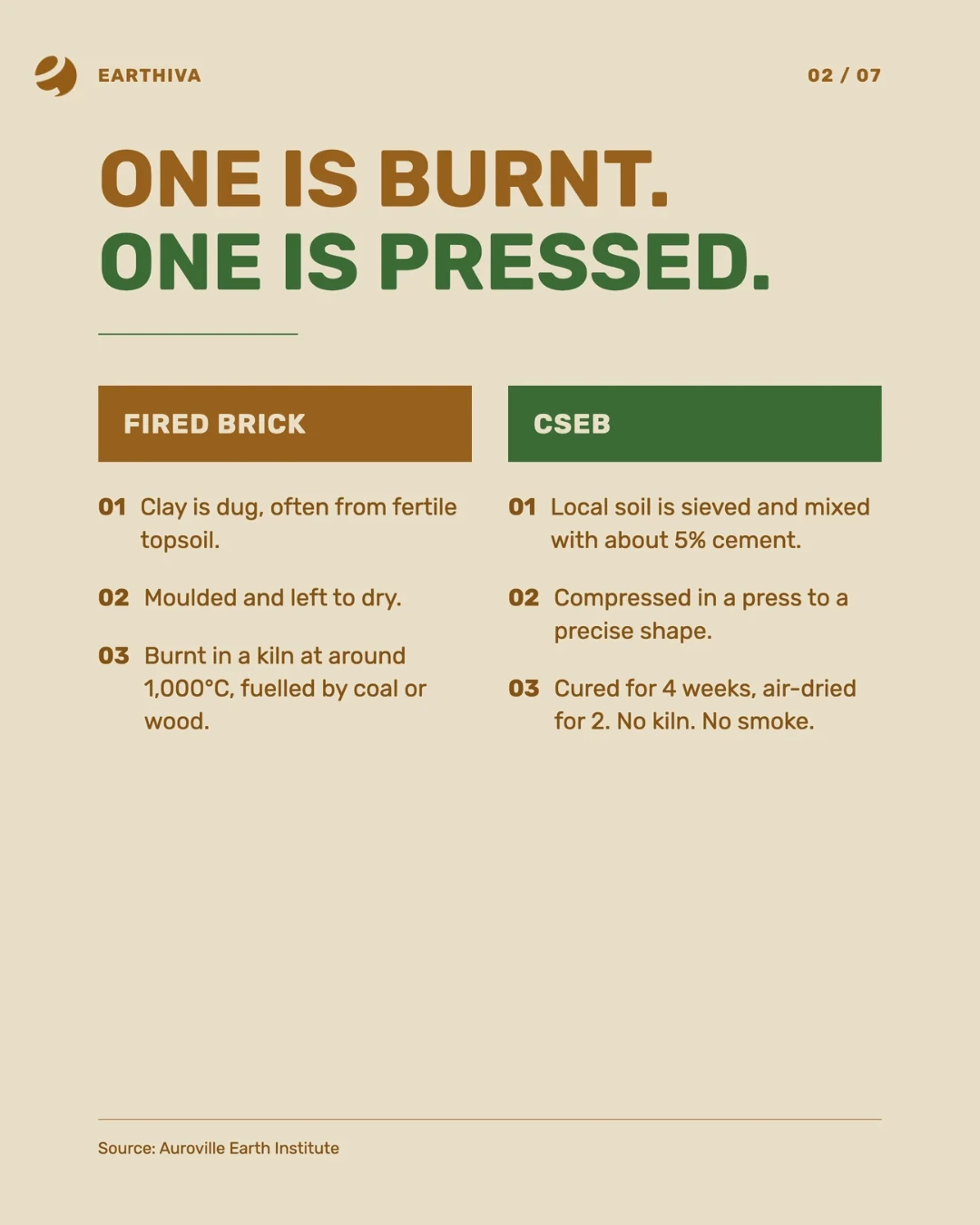
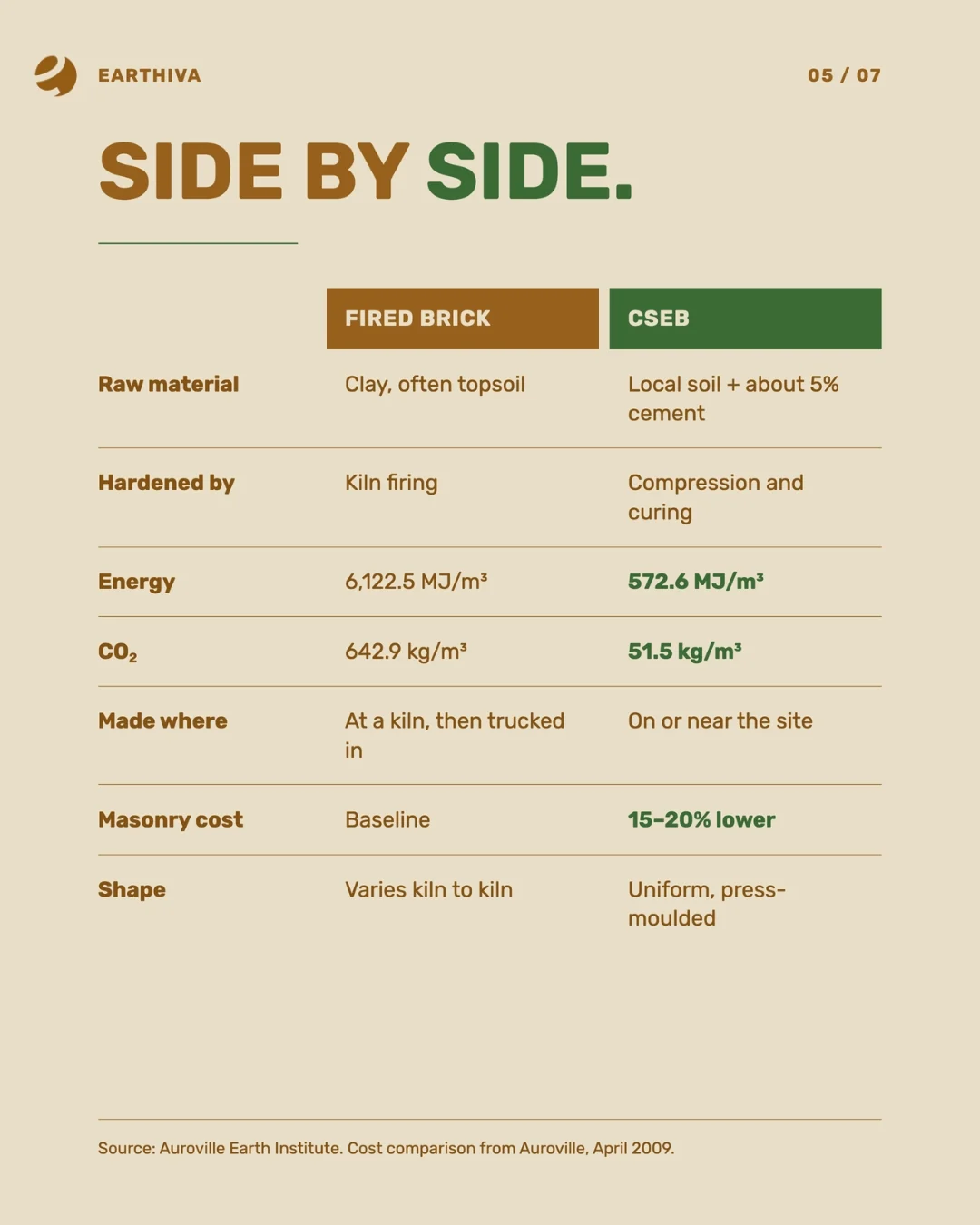
| Compressive strength | > 7 MPa | 3.5 – 7 MPa |
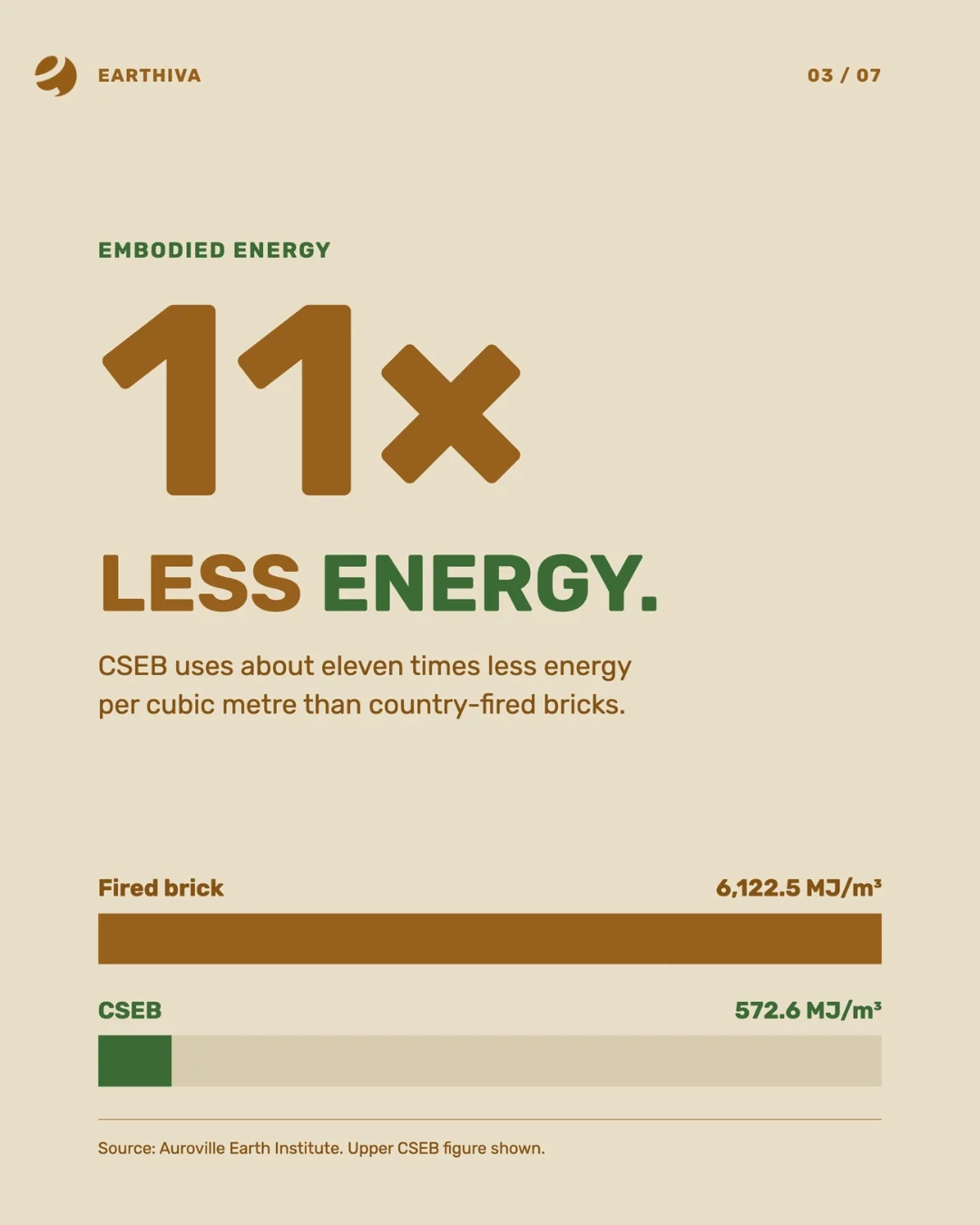
| Embodied energy | 572.6 MJ/m³ | 6,122.5 MJ/m³ |
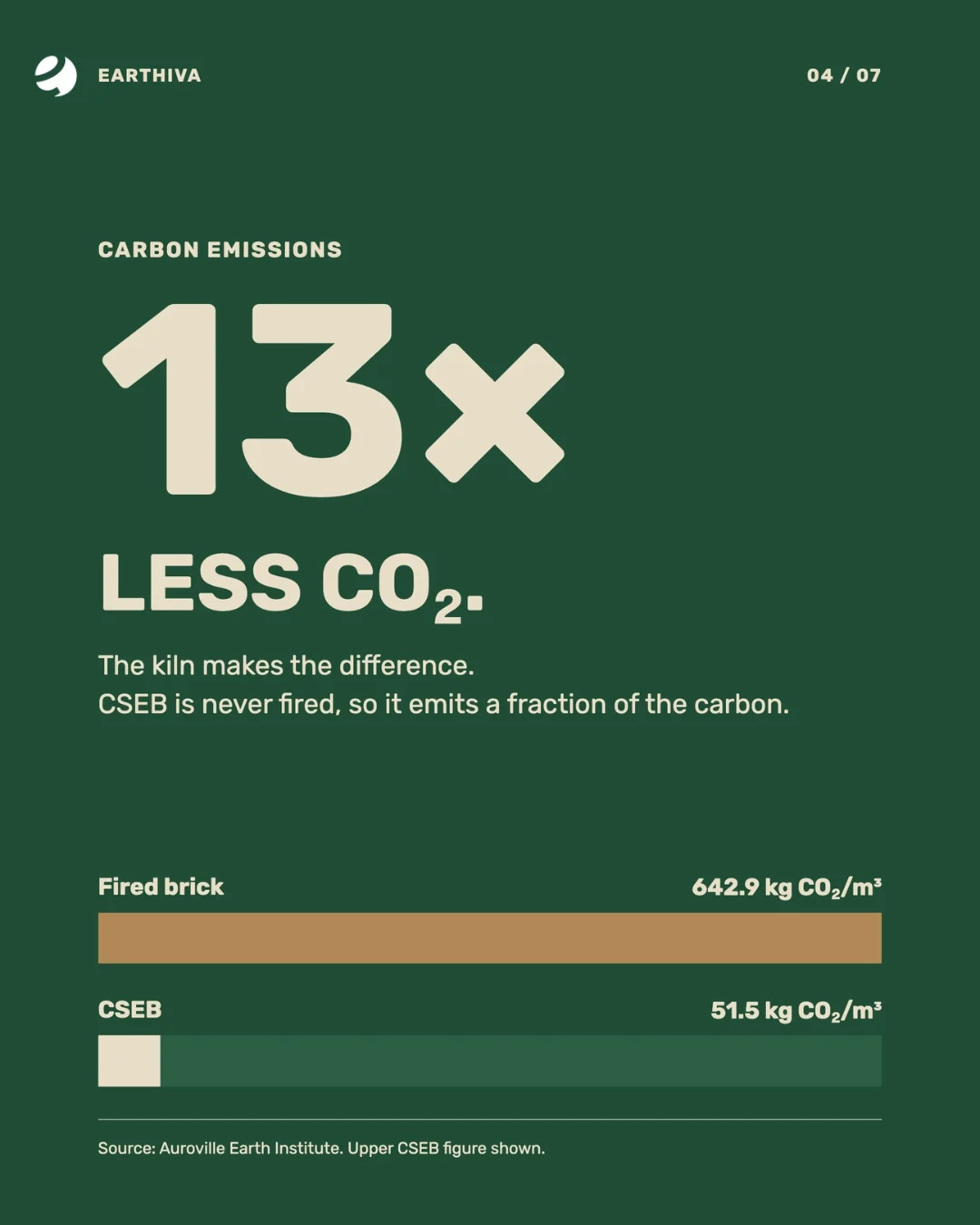
| CO₂ emissions | 51.5 kg/m³ | 642.9 kg/m³ |
| Dimensional tolerance | ± 1 – 2 mm | ± 5 mm or more |
| Plaster required | Optional | Yes |
| Thermal behaviour | High mass, self-regulating | Moderate |
Energy and CO₂: Auroville Earth Institute, upper CSEB figure.
CSEB is not mud brick. It's graded soil, stabilised with 5–8% cement, compressed under hydraulic force and moist-cured for 28 days. It behaves like engineered masonry because it is engineered masonry.
A fired brick spends three days in a kiln at 1,000 °C - that's where most of a wall's embodied carbon lives. We removed the kiln entirely, and let press density deliver the strength and tolerance large projects specify.
Every batch ships with its soil analysis and crush-test certificate. At scale, nobody should take a material on faith.
One press, the whole range
Pick a wall thickness, then a blockSB6-010300 × 90 × 150 mm (L × H × W) · drag to turn it
The block a wall is mostly made of. Same bed as the quoin - two collared voids and a square between them - but both ends are mating ends, so both carry the key.
Every block shown to the same scale
Built and standing
Selected projects 1/4Institutional
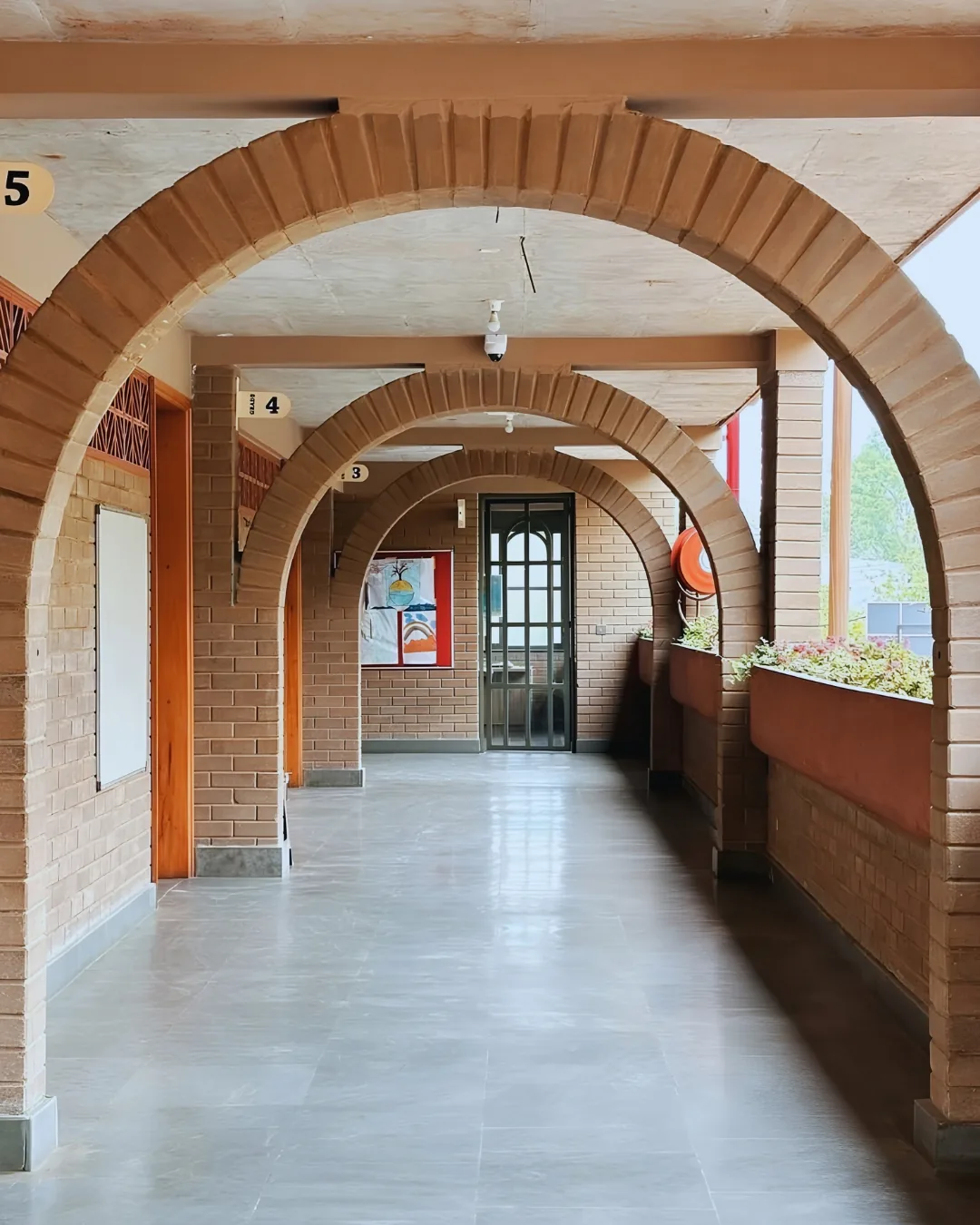
School Building - enquire about a similar project
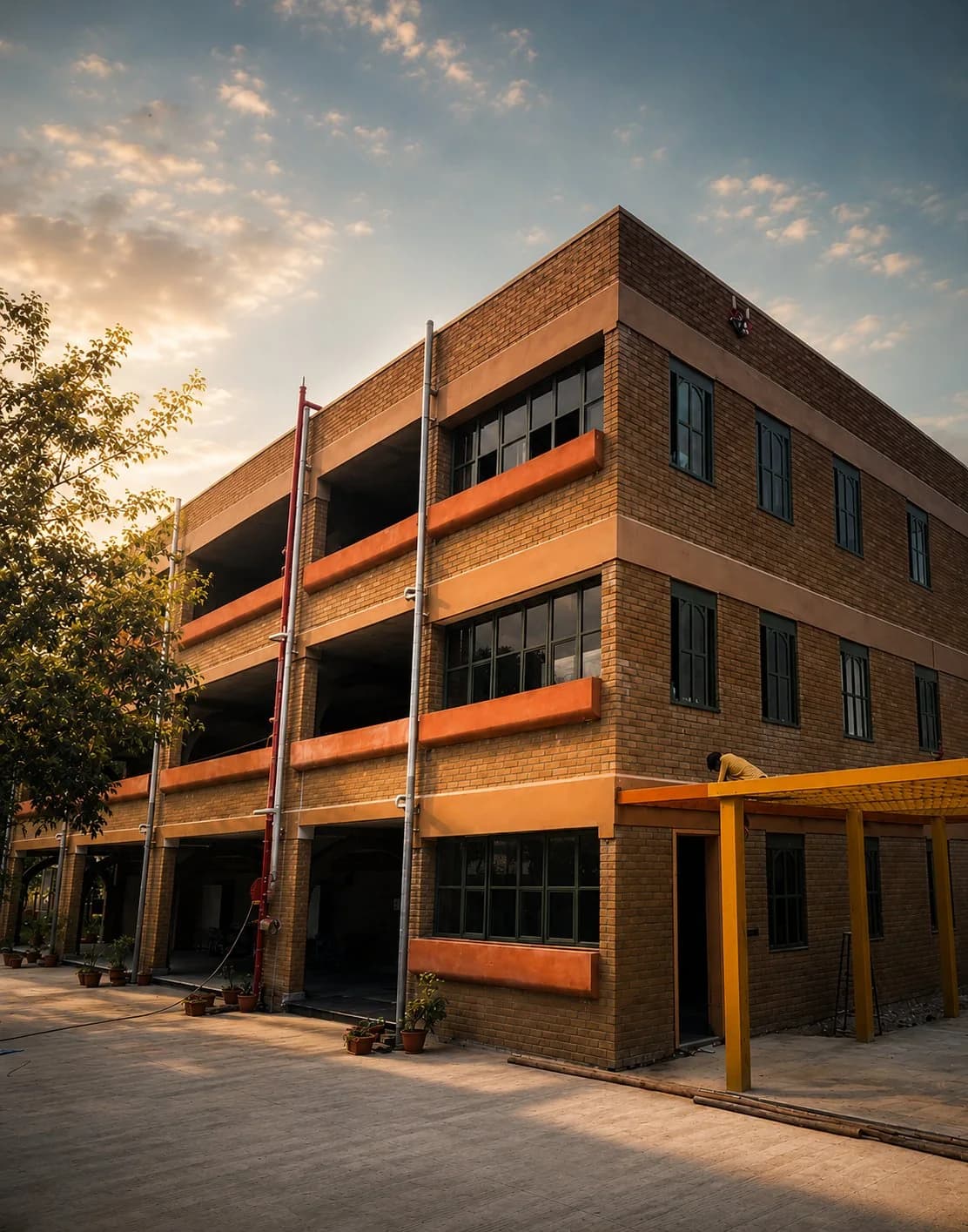
A community school with breathable, thermally efficient walls.
 1/4Residential
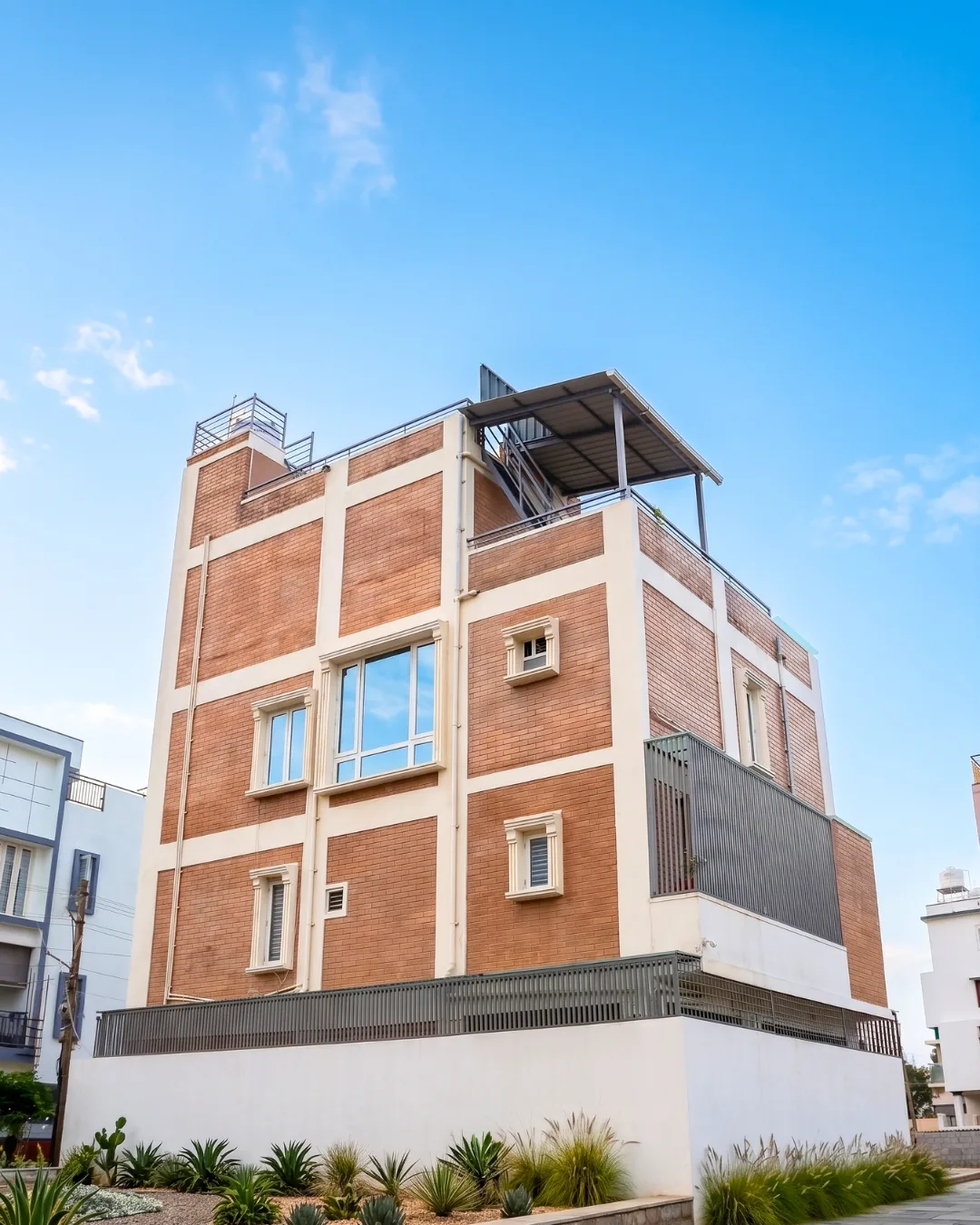
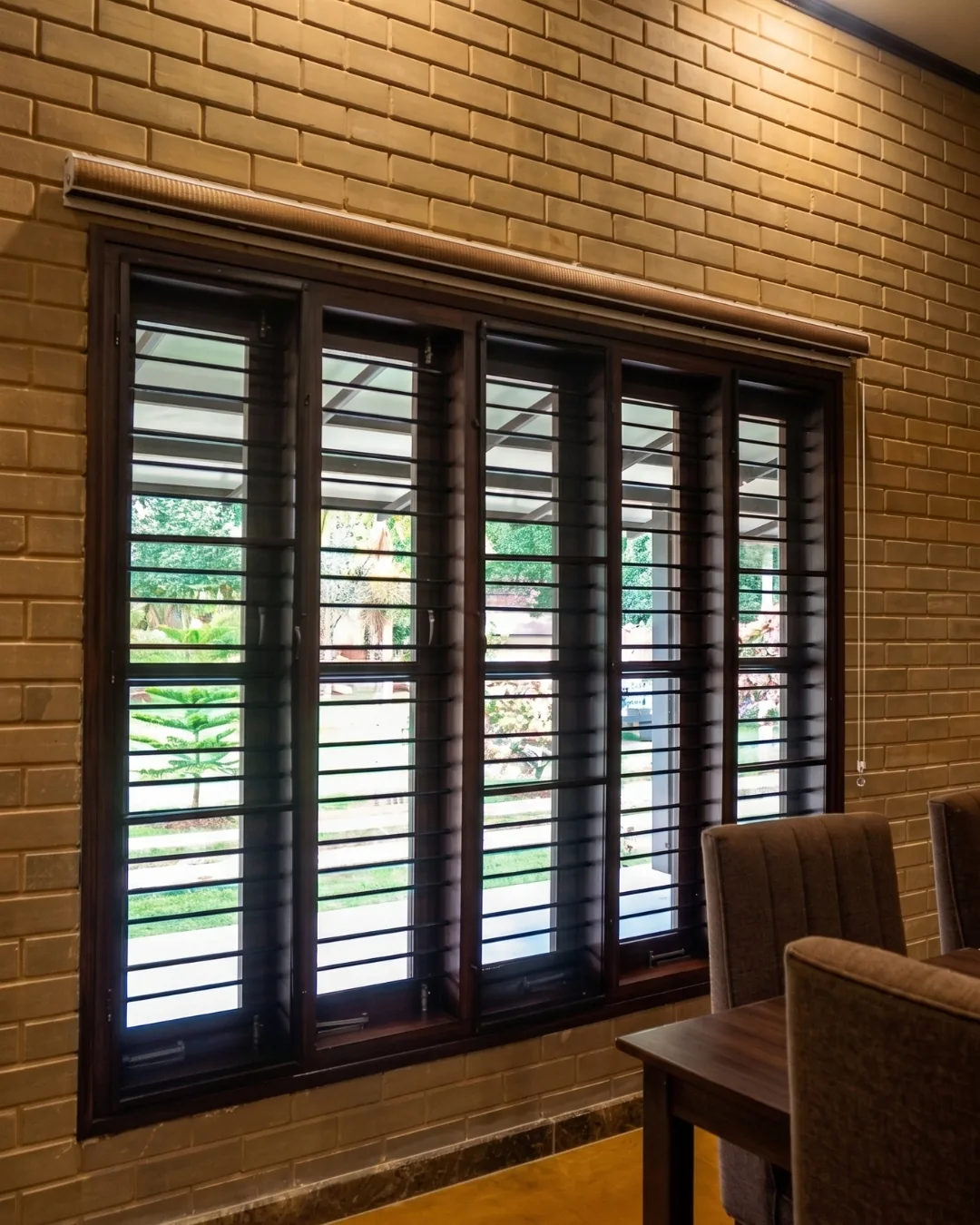
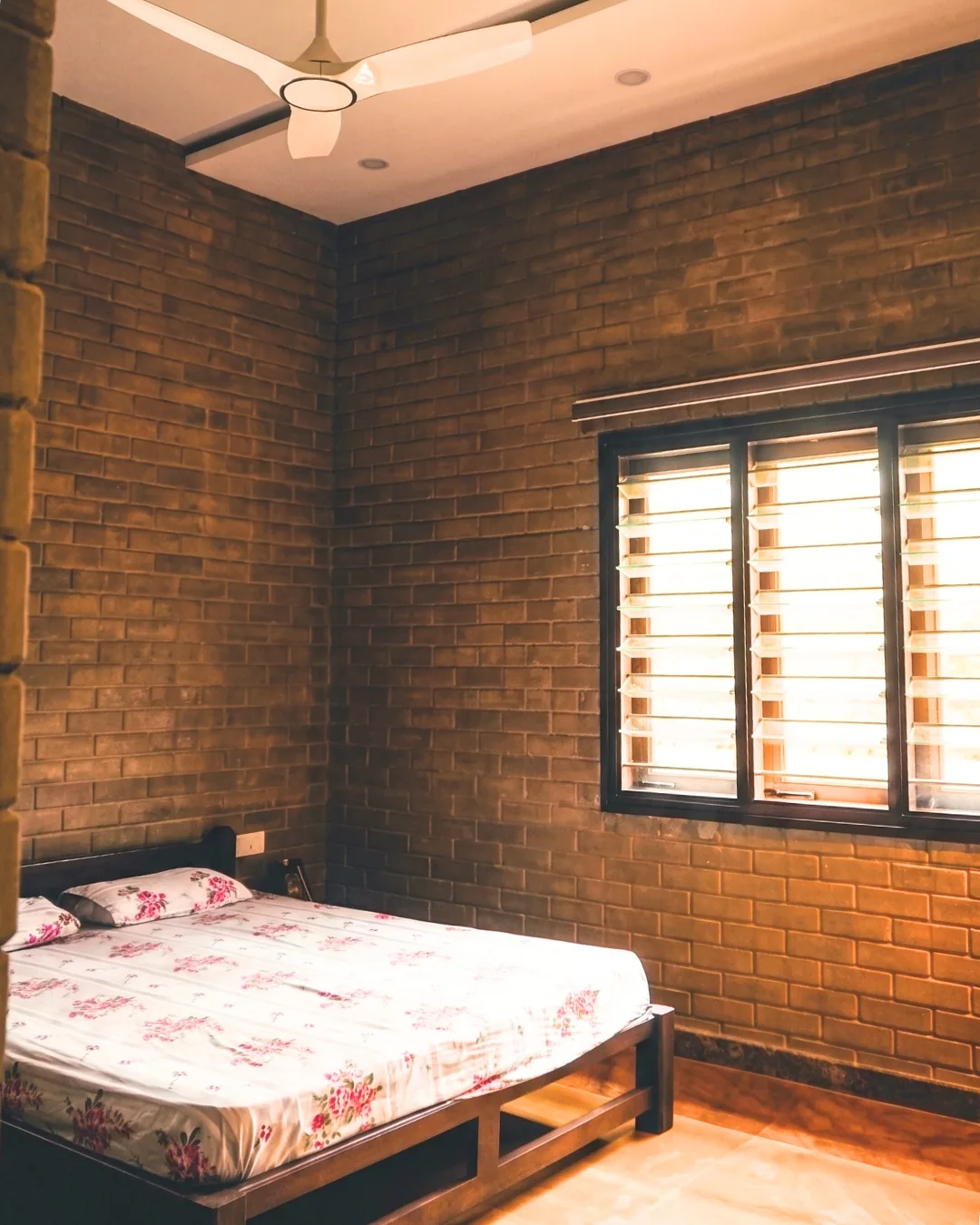
Residential Villa - enquire about a similar project
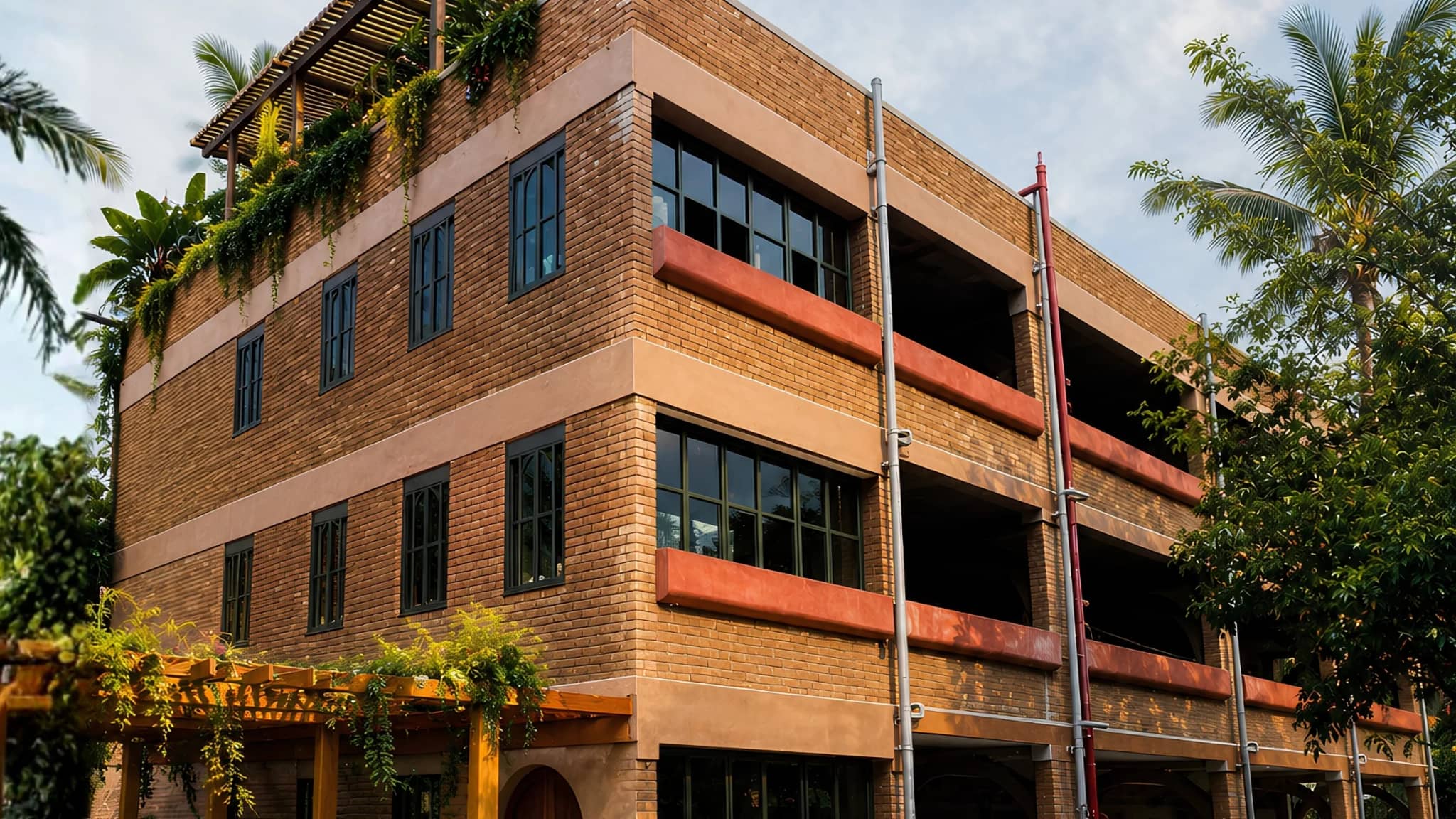
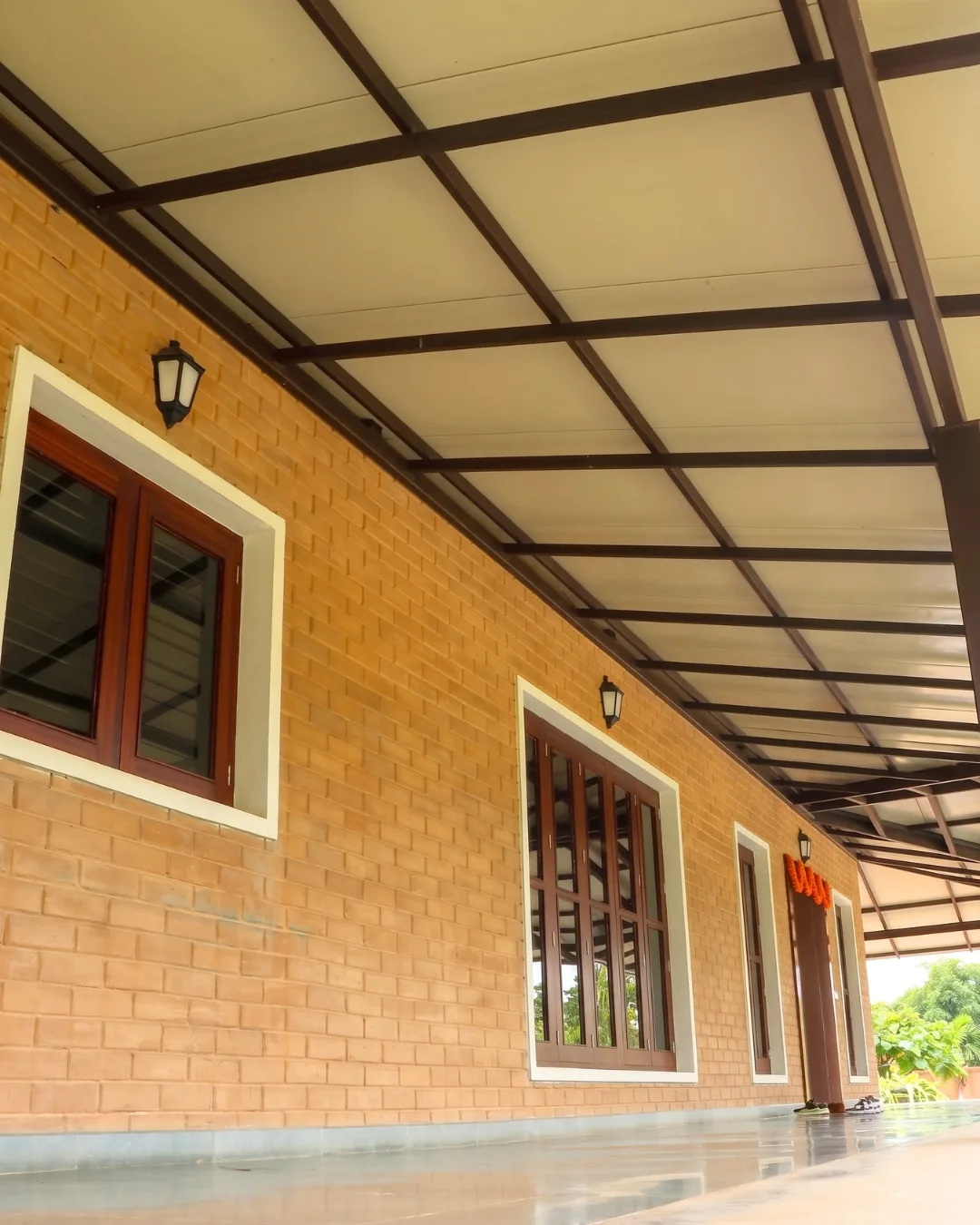
Exposed Earthiva interlocking blocks across the entire facade.
 1/6Hospitality
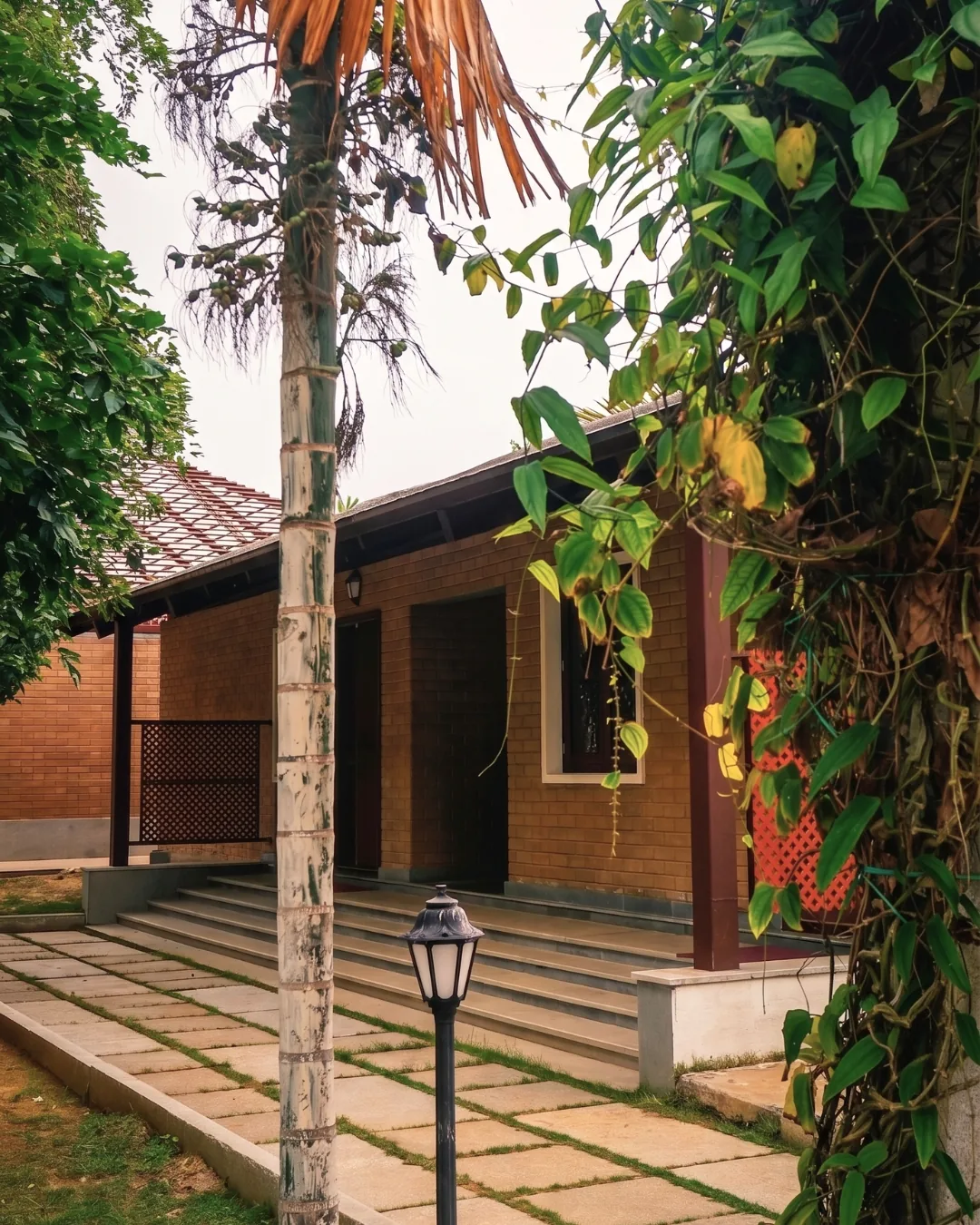
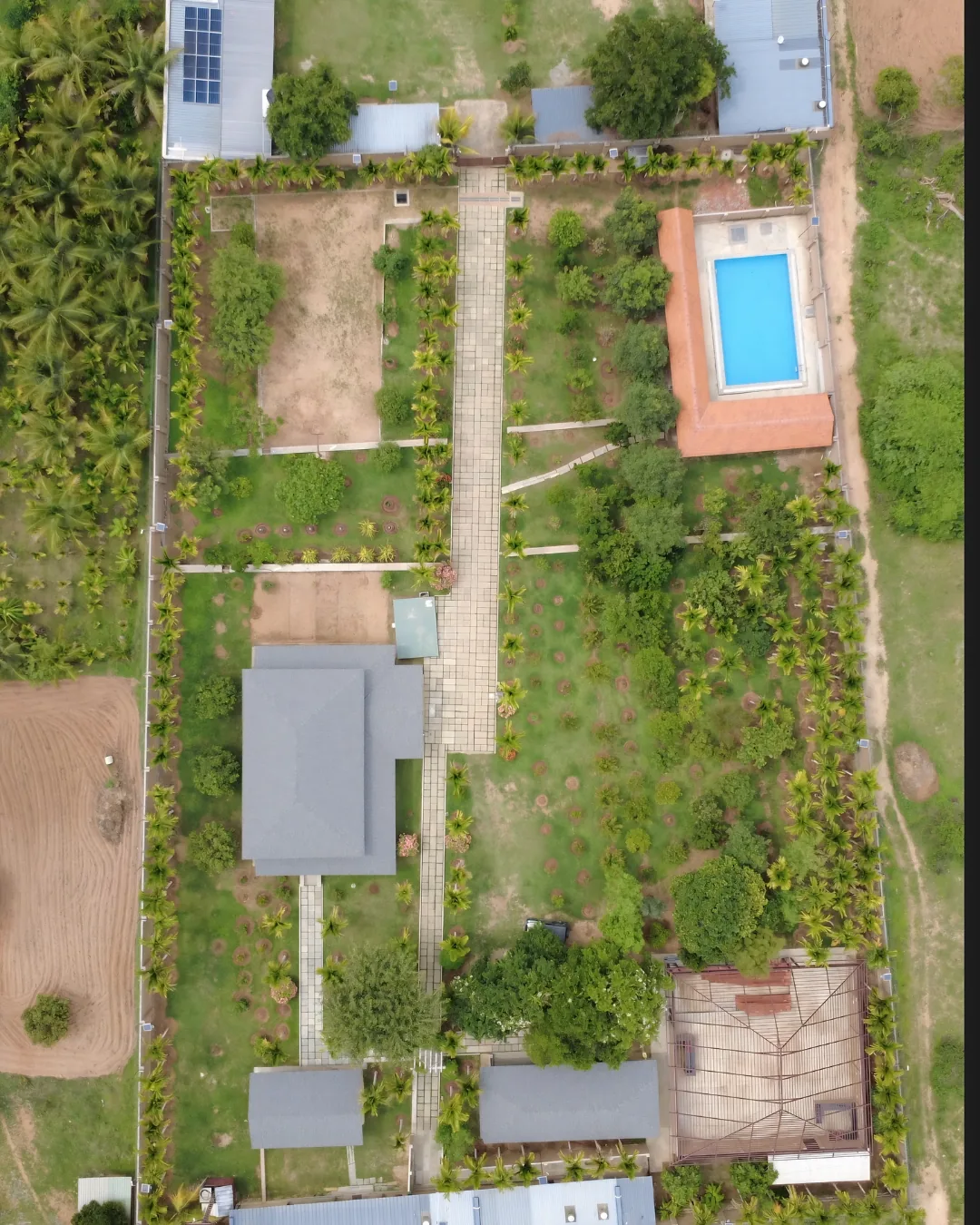
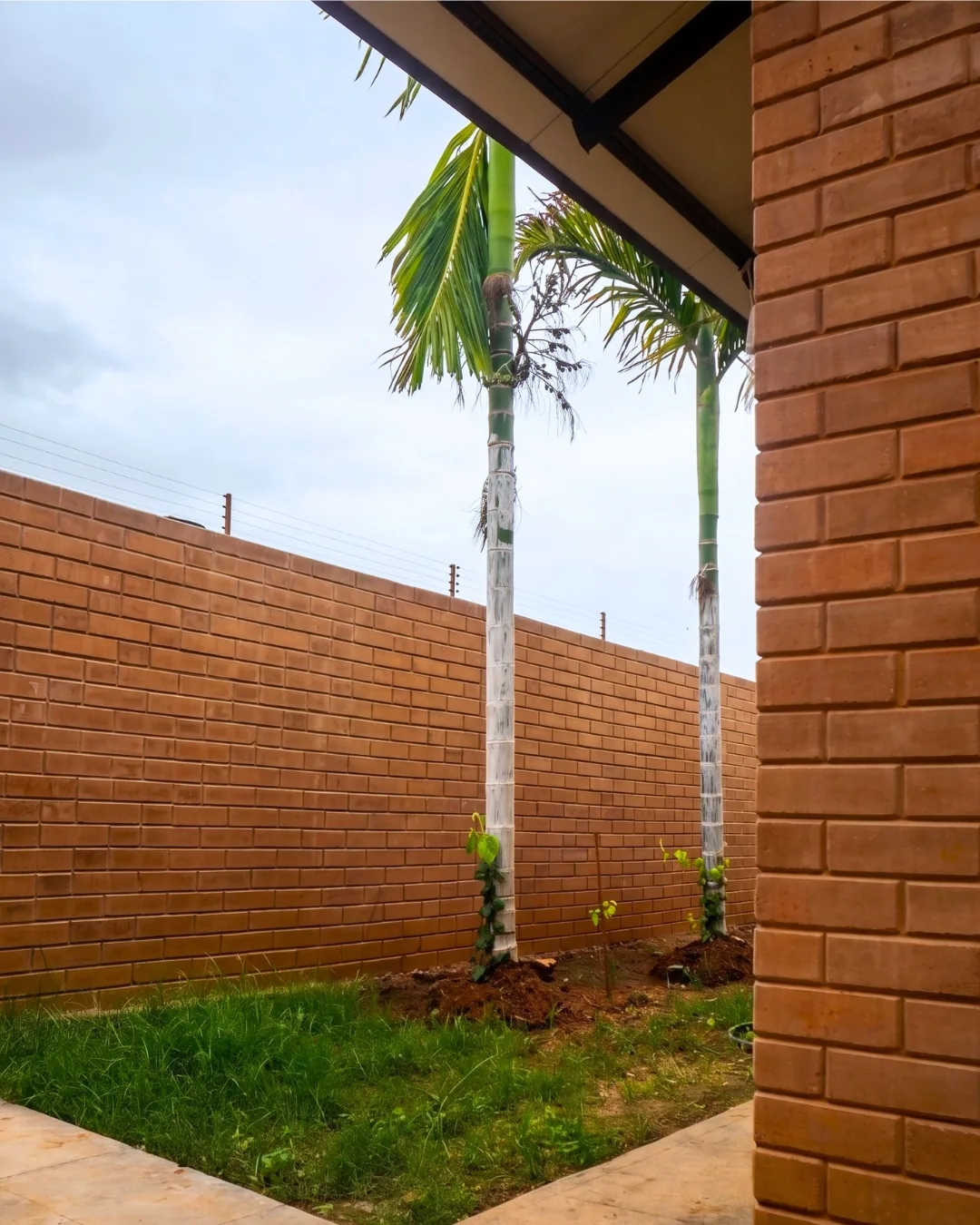
Private Resort - enquire about a similar project
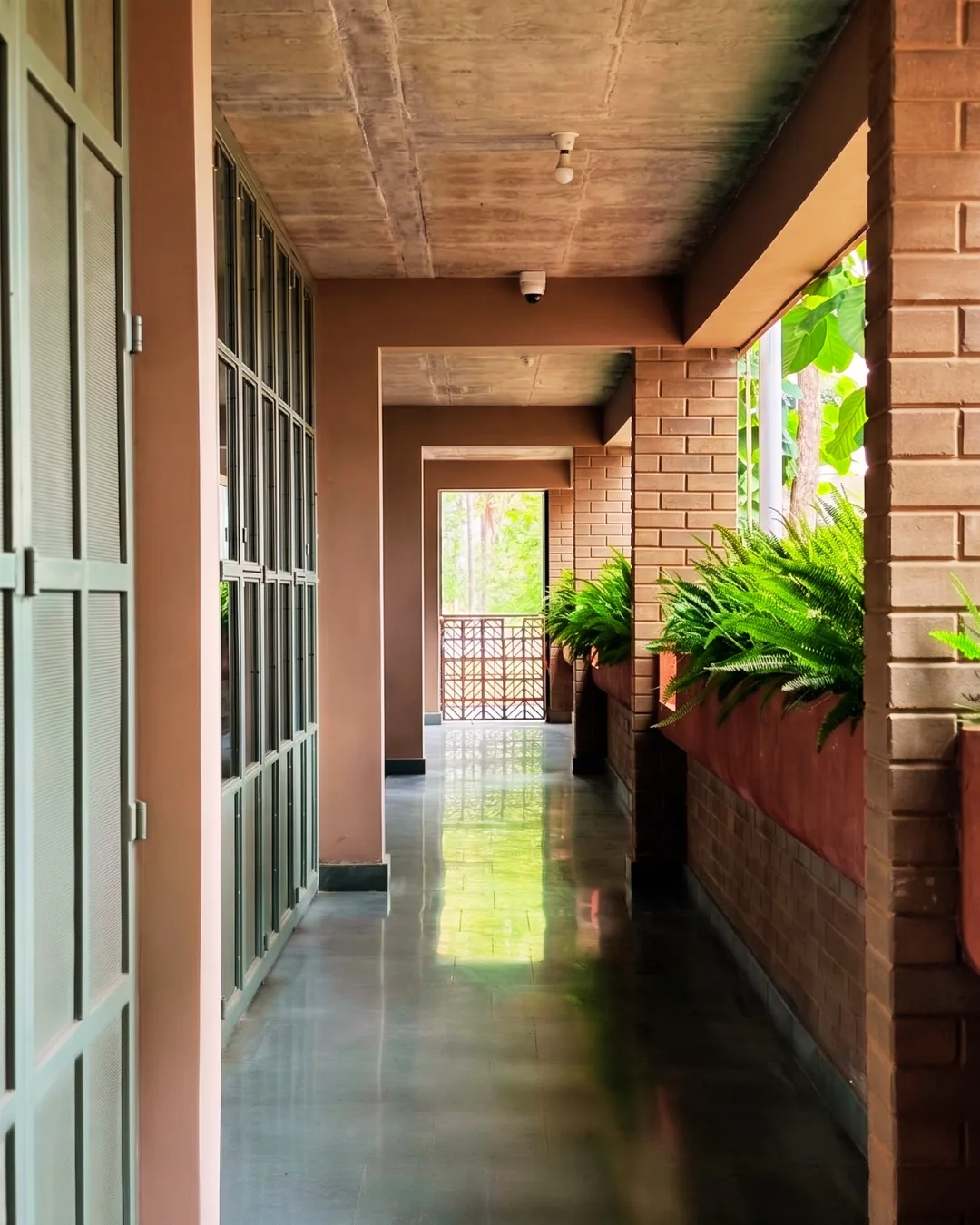
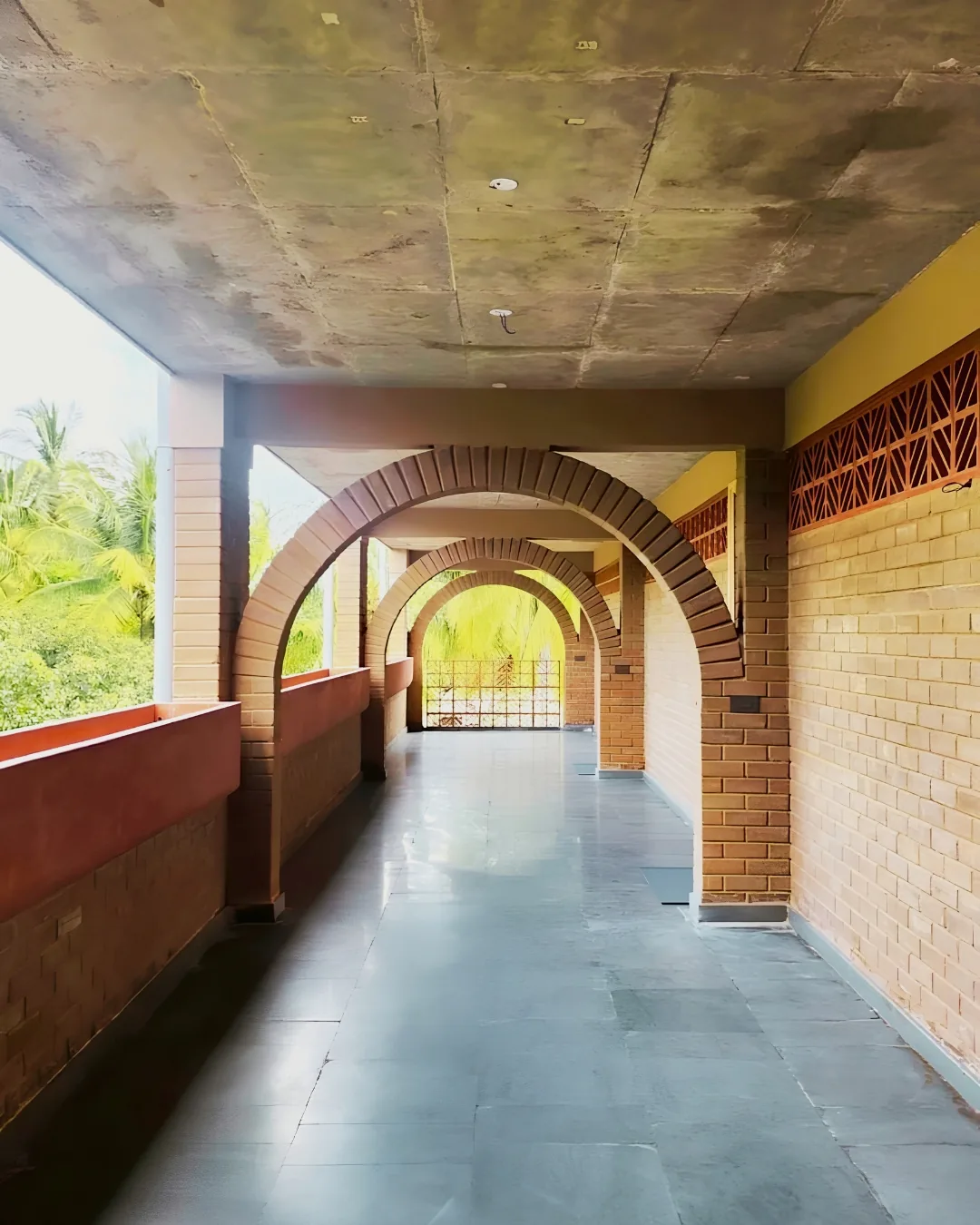
Guest blocks, verandahs and boundary walls in Earthiva block, across a walled campus with its own orchard.
 1/2Industrial
Factory Wall - enquire about a similar project
A perimeter and partition wall system in hollow block.
1,200 t
CO₂ avoided versus equivalent fired-brick supply, against IS embodied-energy baselines.
2.4 M+
Blocks pressed, cured, crush-tested and delivered across four project typologies.
100 %
Batches shipped with soil analysis and strength certification. Every single one.
Everything your consultants will ask for
We work the way large projects do - technical submittals, mock-up walls, mason training on site, and delivery matched to your programme. Take the pack, or ask us something hard.
Start with a sample box
Six blocks, the full datasheet, and a crush-test certificate - dispatched within a week. Serious projects deserve material in hand.